

How Commercial Refrigeration Shapes Customer Experience in Retail and Hospitality Spaces
An Expert Interview with Trevor Crivello, Founder & CEO of Iron Mountain Refrigeration
Iron Mountain Refrigeration is the Top-Rated Commercial Refrigeration Supplier in the Midwest
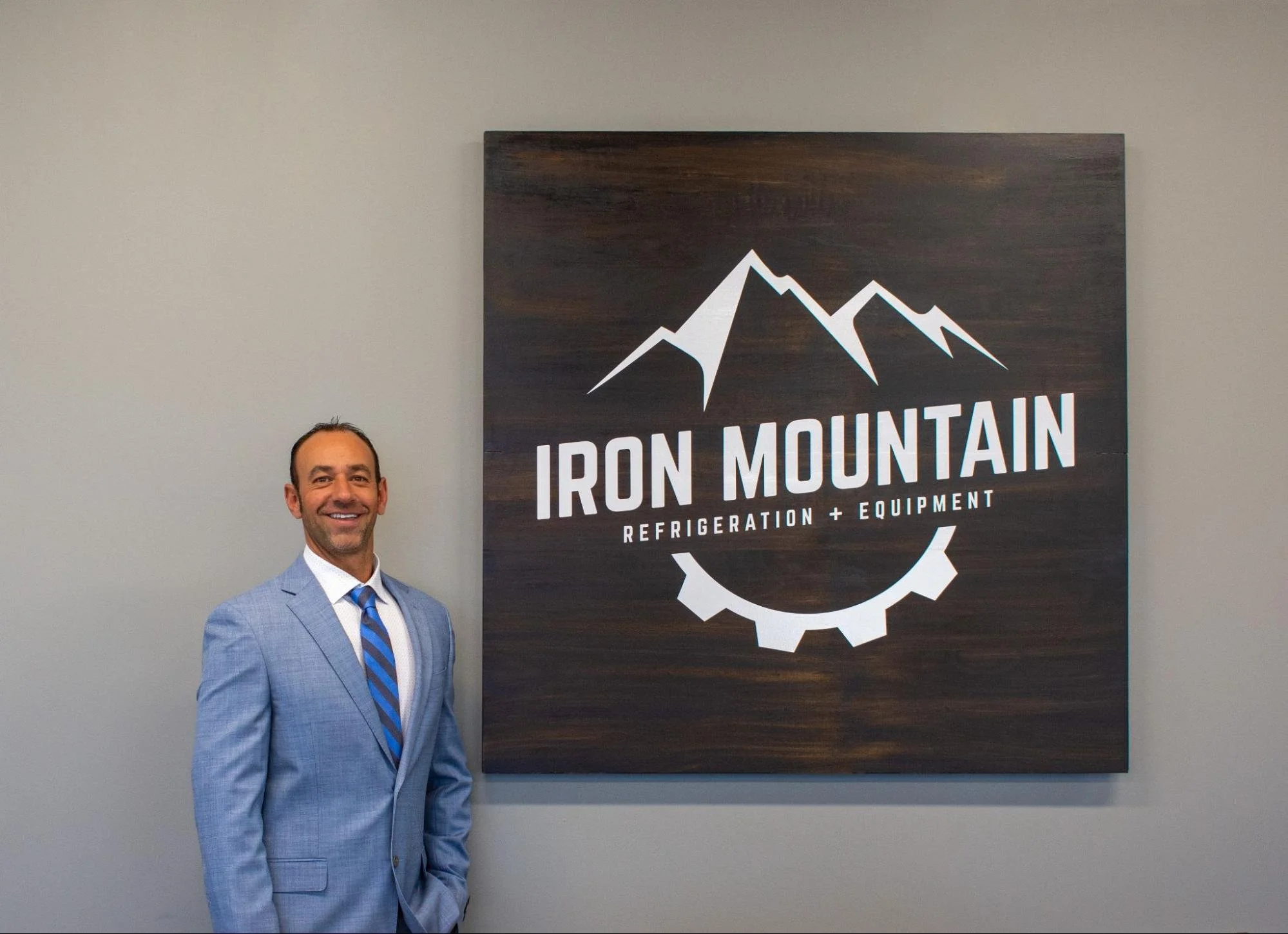
Trevor Crivello, Founder & CEO of Iron Mountain Refrigeration
At Siana Marketing, we work with architecture, construction, design, real estate, and home services firms on the strategies that help them build visibility and win the clients they want. The built environment is our shared domain, and the decisions that shape a commercial space, from layout and materials to the equipment that anchors key moments in the customer experience, matter deeply to our audience. Today, we're sitting down with Trevor Crivello, Founder & CEO of Iron Mountain Refrigeration, the top-rated commercial refrigeration supplier in the Midwest. Trevor works with restaurants, retailers, hospitality operators, and specialty businesses across Wisconsin and the broader Midwest on the refrigeration decisions that define how a space functions and how customers experience it. We asked him how commercial refrigeration equipment intersects with the design, flow, and brand story of the spaces it lives in.
Trevor, most design and construction professionals think of refrigeration as a functional spec rather than a design consideration. Why should they think about it differently?
Because refrigeration equipment is often the first thing a customer interacts with in a retail or hospitality space, and first impressions are shaped by what people see and how the space makes them feel before they've made a single decision. A well-chosen display cooler or bakery case anchors a focal point in the room. It communicates quality through its lighting, its organization, and its visual presence. A poorly chosen one, or one that was specified purely on price or capacity without consideration for how it reads in the space, can undermine everything that the design team worked to achieve. Architects and designers who think about refrigeration equipment as a finish decision rather than a mechanical decision end up with spaces where the equipment complements the brand story rather than interrupting it.
How does refrigeration placement affect customer flow and purchase behavior in retail and foodservice environments?
Significantly, and it is one of the most underutilized tools available to retailers and restaurant operators working with their design and construction partners. Display coolers and beverage merchandisers placed along natural traffic paths intercept customers at the right moment in their journey through the space. A back bar cooler that is well-positioned and well-lit draws attention to premium offerings without requiring any additional merchandising effort. Deli cases and bakery cases placed at eye level and angled correctly toward the customer create appetite appeal and invite browsing. The equipment does not just hold product. It presents product, and the way it presents product has a direct relationship to what customers notice, what they consider, and what they buy. Those decisions belong in the space planning conversation, not in the equipment spec conversation that happens after the layout is already fixed.
For a Wisconsin restaurant or specialty retailer working with an architect or designer on a new build or renovation, what refrigeration decisions are most consequential at the planning stage?
Placement and load. Both of these are much easier to get right during planning than to correct after construction. Placement determines how the equipment integrates with the customer experience and the operational flow of the space. Load determines what electrical and mechanical infrastructure needs to be roughed in. Iron Mountain works with businesses across Wisconsin and the Midwest from the earliest stages of a project precisely because these decisions interact with structural, electrical, and HVAC planning in ways that become expensive to revisit later. A specialty food retailer who decides late in construction that they want a walk-in cooler where a display cooler was specified is looking at a significant change order. A restaurant that did not account for back bar refrigeration in the initial layout is making compromises that will affect service efficiency for the life of the build. The refrigeration conversation belongs at the table with the architect and the contractor from day one.
How does the choice of specific equipment types, display coolers versus deli cases versus ice machines, reflect the brand identity of a space?
Every piece of front-of-house refrigeration equipment makes a statement about the business it represents. A craft brewery that invests in well-designed back bar coolers with clean glass doors and interior lighting is communicating attention to detail. A bakery with a beautifully lit pastry case is signaling craft and premium quality before a single word is exchanged with a customer. Conversely, a specialty retailer with mismatched or dated display equipment is telling a story they probably did not intend to tell. Iron Mountain, which has earned a 5-star Google rating and an A+ BBB rating by helping clients make equipment decisions that hold up operationally and aesthetically over time, specifically guides business owners through the relationship between equipment selection and brand presentation. For the architecture and design community, that conversation is exactly the kind of vendor partnership that adds value to a project rather than just filling a spec.
What is the most important piece of advice you would give to an architect or designer specifying commercial refrigeration for a client for the first time?
Talk to a specialist before you write the spec. Commercial refrigeration covers a wide range of equipment categories, display coolers, beverage merchandisers, deli cases, bakery cases, back bar coolers, ice machines, undercounter units, and each category has meaningful variation in how it performs, how it looks in a space, how it affects energy load, and what it communicates to the customer. A specification written from a catalog without that context often results in equipment that meets the technical requirement but misses the design and operational intent. Iron Mountain works with construction and design professionals across Wisconsin and the Midwest to bridge that gap, bringing refrigeration expertise into the design process early enough to make a real difference. The spaces that get it right are almost always the ones where that conversation happened before the drawings were finalized.
To learn more about Iron Mountain Refrigeration and their commercial refrigeration solutions for retail, restaurant, hospitality, and specialty businesses across Wisconsin and the Midwest, visit ironmountainrefrigeration.com.