

Financial Blind Spots AEC Firm Owners Miss (Until It's Too Late): A Conversation with Yury Zabella
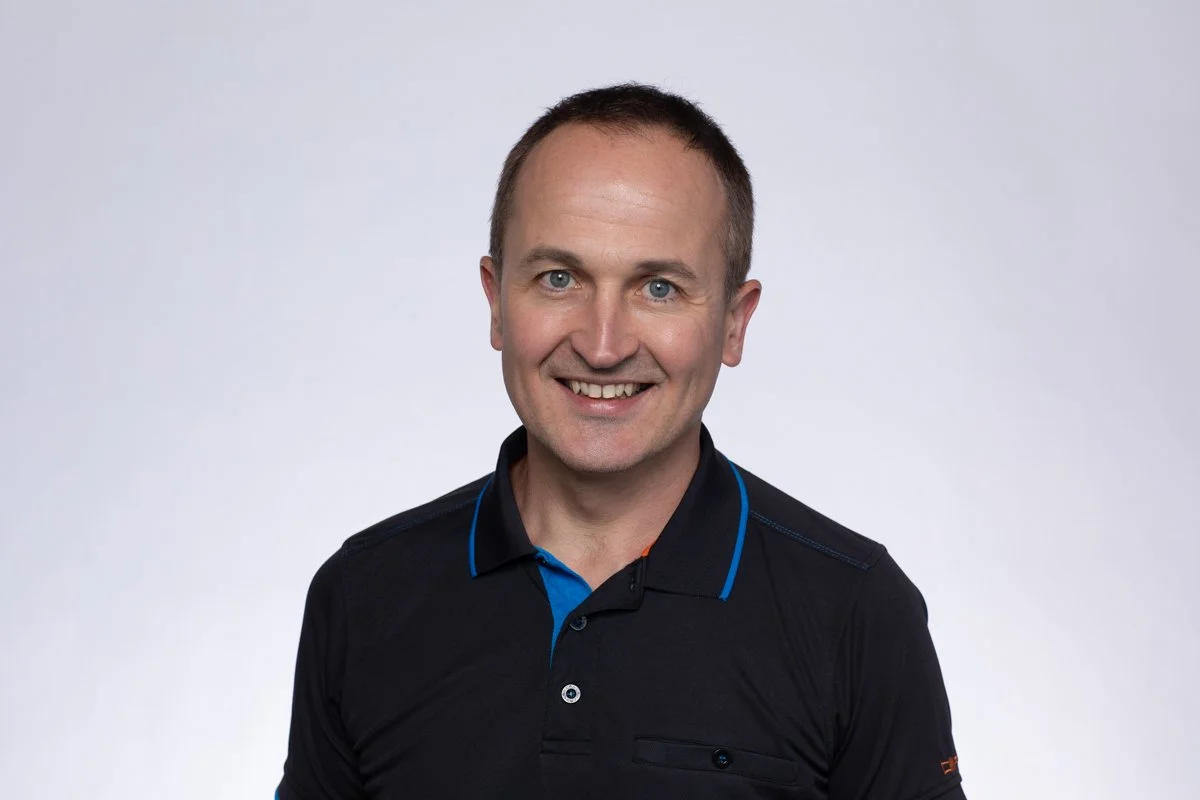
At Siana Marketing, we help AEC firms grow, but growth without financial clarity is just organized chaos. That's why we sat down with Yury Zabella, a fractional CFO with over 20 years of experience helping project-based businesses get their financial operations under control. Yury currently serves as a CFO at FoodSpot and successfully co-founded and exited the company Dynamics Resources. He specializes in process re-engineering, ERP implementation, and preparing founders for exit. We asked him about the financial mistakes AEC firm owners don't catch until the damage is done.
Q: What's the most common financial blind spot you see when an AEC firm owner calls you for the first time – and how long has it usually been hiding?
Yury: Project-level profitability. Most AEC firms can tell you their top-line revenue and maybe their overall margin, but they can't tell you which projects or project types are actually making them money. It's usually been hiding for 18 to 24 months by the time I see it – long enough that they've repeated the same unprofitable bid structure multiple times. The cost shows up as "we're busy but broke." When I dig into the data, I often find that 20–30% of their projects are break-even or worse once you allocate overhead, rework, and timeline slippage correctly. So it is a visibility problem, rather than a revenue one.
Q: A lot of AEC firms win a big contract and feel like they're finally "making it", but six months later, they're scrambling to make payroll. What's happening under the surface?
Yury: The issue here is cash flow timing. AEC work is milestone-based, which means there's often a 30- to 90-day gap between delivering value and getting paid. Add retainage, slow client A/P departments, and change orders that take weeks to get approved, and you've got a recipe for a cash crunch even when your P&L looks great. I tell every firm to map their cash conversion cycle by project type. If you're floating payroll and subcontractor costs for 60+ days on every job, you're essentially running a line of credit for your clients, and most owners don't realize that until they hit their own credit limit.
Q: Why do so many firms think a project was profitable when it closed, only to realize later it actually wasn't?
Yury: Because they're not accounting for fully loaded costs. Labor gets billed at hourly rates, but overhead costs are not allocated to individual projects. That stays in a general bucket. So when the project closes, it looks profitable because you only see direct costs. The fix is simple: treat every job like its own P&L and allocate overhead monthly. When you do that, you stop being surprised at year-end, and you stop bidding on work that looks good on paper but loses money in practice.
Q: You work with founders who want to exit. What makes an AEC firm actually sellable from a financial standpoint?
Yury: Three things: clean books, predictable margins, and systems that run without the owner. Buyers want to see 24–36 months of auditable financials with consistent project margins. They also want proof that revenue isn't dependent on the founder's relationships. If your CRM is a spreadsheet and your financial close takes three weeks, you're not sellable. The firms that close successfully are the ones that started cleaning up their financial operations at least two years before going to market.
Q: If an AEC firm is doing $3M to $8M in revenue and the owner feels like they're "flying blind" financially, where do you start?
Yury: Most firms at that stage are still closing their books 20+ days after month-end, which means they're making decisions on six-week-old data. I help them get to a clean close in under 10 days and build a dashboard that shows active project margins, cash runway, and utilization rates in real time. Financial visibility means being able to answer three questions on demand: Which projects are making money? How much cash do we have for the next 90 days? Can we afford to hire? If you can't answer those, you're guessing – and that's expensive.
